


Between Two Worlds: Navigating Bicultural Identity with Sahaj Kohli, MA.Ed, LGPC, NCC (298)
4/28/202649 min
 What does it mean to belong to more than one world at once?
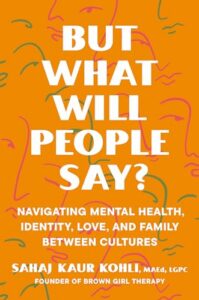
Sahaj Kohli—founder of Brown Girl Therapy and author of What Will People Say?—explores the emotional complexity of bicultural identity, the immigrant experience, and the hidden pressures of being “culturally enough.” Together, we explore how culture shapes mental health, why many therapy models miss the mark for marginalized communities, and what truly culturally responsive care can look like. Sahaj also shares how social media became a lifeline for connection, community, and healing for people navigating multiple identities. This episode offers powerful insight for therapists, helpers, and anyone balancing family expectations, identity, and belonging across cultures.
“Collectives are made of individuals, and we can’t be our best selves within those collectives and in those roles if we are not also taking care of ourselves. Yet we can’t be our best selves as individuals without considering the collective and our communities.” – Sahaj Kohli
Time Stamps for Between Two Worlds: Navigating Bicultural Identity with Sahaj Kohli (298)
03:46 Cultural identity and the immigrant experience
07:28 The birth of Brown Girl Therapy
11:22 Understanding the dominant narrative
15:07 Cultural differences in communication and boundaries
19:05 Cultural responsiveness in therapy
26:49 The burden of cultural “enoughness”
29:11 Navigating pride and shame in biculturalism
31:08 Grief and loss in cultural transition
39:20 Resources for bicultural and multicultural understanding
About our Guest – Sahaj Kohli MA.Ed, LGPC, NCC
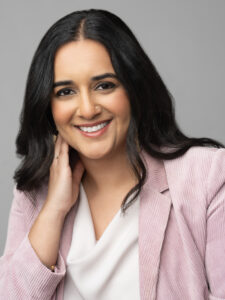
Sahaj Kohli by Beowulf Sheehan
Sahaj Kaur Kohli MA.Ed, LGPC, NCC is an award-winning therapist and mental health educator. She is the founder of Brown Girl Therapy (@browngirltherapy), the first and largest mental health and wellness community organization for adult children of immigrants, an advice columnist for the Washington Post, and host and creator of the limited series podcast, So We’ve Been Told. Sahaj is also author of the book, “But What Will People Say: Navigating Mental Health, Identity, Love and Family Between Cultures” named one of Audible’s “best of” in 2024. With a 6+ year career in journalism under her belt, Sahaj’s passion lies at the intersection of narrative storytelling and mental health advocacy. You can follow Sahaj’s writing on Substack: Culturally Enough. is a resource for the community and The Bicultural Brief is a resource for clinicians who want to be more culturally responsive in their care. Sahaj’s words and work have been featured across media, like in Today, NPR, Good Morning America, CNN, The New York Times, and others. Sahaj also serves as a corporate consultant, educator and international speaker.
Resources for Between Two Worlds: Navigating Bicultural Identity with Sahaj Kohli (298)
@BrownGirlTherapy – Sahaj’s Instagram profile
Sahaj’s Website – Resources, information, events & more
But What Will People Say? Navigating Mental Health, Identity, Love, and Family Between Cultures – Get your copy today!!
Beyond Attachment Styles course is available NOW!
Learn how your nervous system, your mind, and your relationships work together in a fascinating dance, shaping who you are and how you connect with others. Online, Self-Paced, Asynchronous Learning with Quarterly Live Q&A’s! Earn 6 Continuing Education Credits – Available at Checkout As a listener of this podcast, use code BAS15 for a limited-time discount.

You are invited!
Join our exclusive community to get early access and discounts to things we produce, plus an ad-free, private feed. In addition, receive exclusive episodes recorded just for you. Sign up for our premium Neuronerd plan!! Click here!!
Get your copy of Secure Relating here!!
Clips
Transcript preview
First 90 secondsSahaj Kohli· Guest0:02
I like to say that bicultural and multicultural people are often, like, swinging on this pendulum between pride and shame. There's a lot of shame of not doing enough, you know, because something always gets lost in immigration. No matter how hard families try to keep to their cultural heritage, their roots, something is gonna get lost. It's just a normal byproduct of moving to a new country. And a lot of these children are then faced with, "Am I doing enough? Am I keeping, you know, our culture enough? Am I making the right choices?" Again, going back to my own example of choosing the partner I chose, living the life I live, practicing the religion the way I wanna practice it that might be different or, quote-unquote, "less than" what was expected of me. There's a lot of that shame. And then on the other side is this pride of, like, being really proud of the people and the country and the culture and the heritage that we have. And so this idea of culturally... being culturally enough is kind of just accepting that both of these things are gonna be true, the pride and the shame, and just learning to continue every day to show up in a way that feels as true to yourself as possible. And a part of that is picking and choosing kind of the different values and subsets of these different cultures and deciding what feels good to you, and something is gonna get lost in that process, and something is gonna be gained in that process.
Speaker 21:16
[upbeat music] Welcome to Therapist Uncensored. Building on decades of professional experience, this podcast tackles neurobiology, modern attachment, and more in an honest way that's helpful in healing humans. Your session